What Causes Vehicle Engine Overheating and How to Prevent It
Robbie Balla • July 22, 2025

What Causes Vehicle Engine Overheating and How to Prevent It

When your car’s engine starts to overheat, it can lead to panic—and for good reason. Prolonged overheating can result in severe engine damage that’s both inconvenient and expensive to repair. Understanding the causes of overheating and how to prevent it is vital for every vehicle owner, particularly during a hot summer day when the risk is often greater. 

At Cosimos Auto Repair (CAR), we specialize in diagnosing and resolving vehicle issues, including overheating engines. Here are the common causes of engine overheating, explain why it’s more likely to occur in summer, and provide practical advice to keep your engine running smoothly. 


Why Does Engine Overheating Happen? 

An engine overheats when it cannot regulate and dissipate heat efficiently. This is usually the result of issues with the vehicle’s cooling system. Here are the most common reasons engines overheat:

1. Low Coolant Levels 

Coolant, also known as antifreeze, plays a critical role in regulating engine temperature. If the coolant level is too low, the engine won’t be able to cool itself properly, leading to overheating. Low coolant levels can result from leaks in the radiator, hoses, or water pump. 


Tip for Drivers 

Regularly check your coolant levels and top off if necessary. If you notice recurring low levels, have your car inspected for leaks. 

2. Leaking or Damaged Hoses 

The hoses that connect to the radiator and other components in the cooling system can degrade over time. Cracks, splits, or leaks in these hoses disrupt the circulation of coolant, causing heat to build up in the engine. 

Tip for Drivers 

Inspect the hoses for visible damage—look for cracks, swelling, or leaking fluid under your car. 

3. Faulty Cooling System Components 

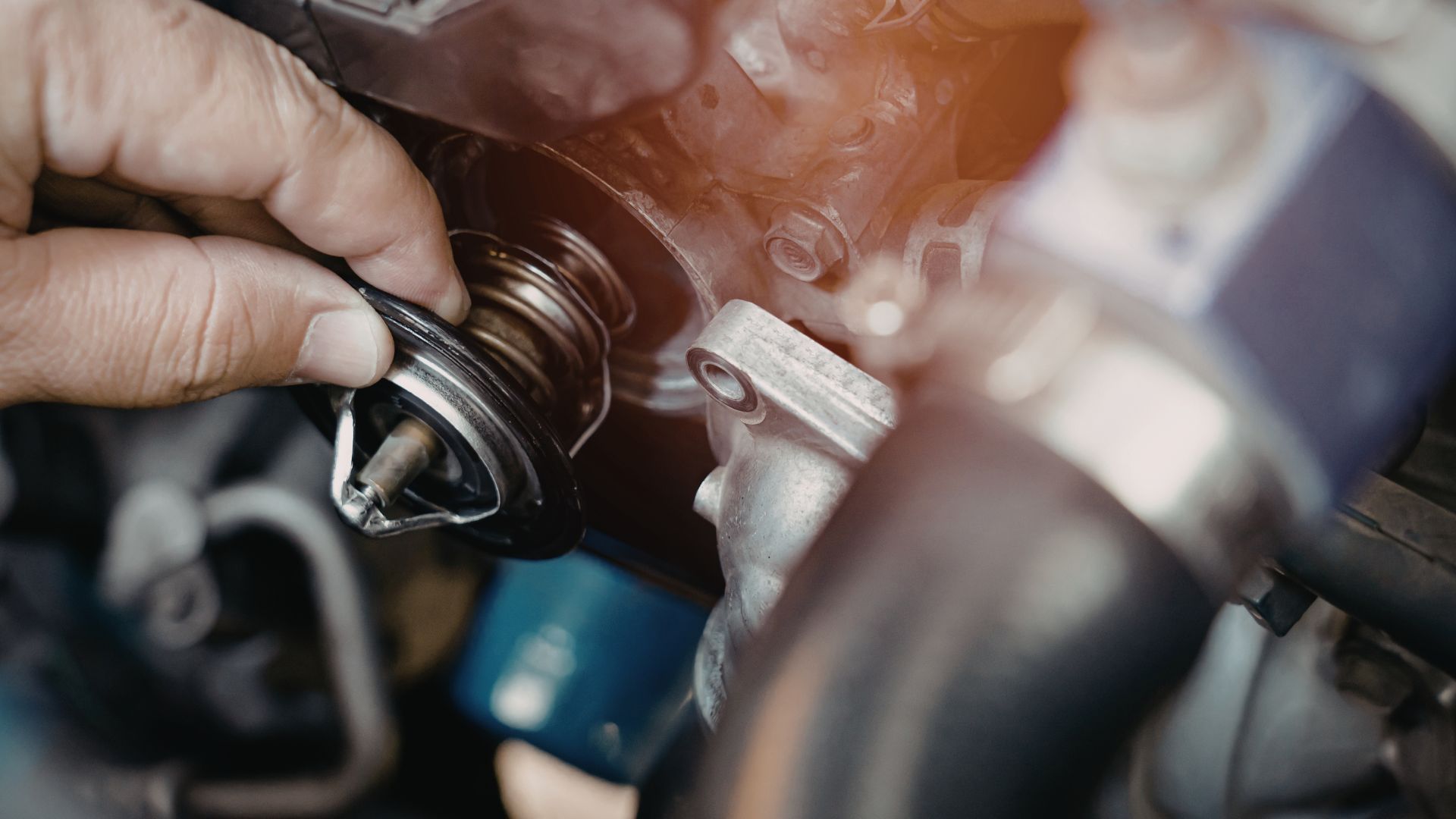
The cooling system consists of several parts, including the radiator, thermostat, water pump, and fans. If any of these components fail, the system may struggle to regulate engine temperatures. For example:

  • A stuck thermostat prevents coolant from circulating properly. 
  • A failing water pump cannot pump coolant effectively. 
  • A damaged radiator fan cannot pull enough air to cool the engine. 


Tip for Drivers 

If you’re unsure about your cooling system's condition, have it inspected by professionals like the team at Cosimos Auto Repair

4. Blocked Radiator 

Over time, dirt, debris, and rust can accumulate in your radiator, obstructing coolant flow and reducing its efficiency in dissipating heat. 


Tip for Drivers 

Regularly flush your radiator and ensure that it is clean and free of obstructions. 

5. Excessive Engine Strain 

Towing heavy loads or driving up steep hills for long periods can put extra strain on the engine. This increases heat production, which may overwhelm the cooling system. 


Tip for Drivers 

When towing or driving in challenging conditions, minimize strain by reducing speed and turning off the air conditioning if possible. 


Why Engine Overheating Is More Common in Summer 

Hot weather naturally raises the ambient temperature, which makes it harder for your vehicle's cooling system to dissipate heat. Combined with other factors, summertime conditions can increase the likelihood of overheating.

1. Higher Ambient Temperatures 

When the air outside is already hot, it becomes harder for the radiator to cool the engine effectively. 

2. Increased Use of Air Conditioning 

Running the air conditioning puts additional load on the engine, which can contribute to overheating in hot weather. 

3. Stop-and-Go Traffic 

Summer vacations and road trips often mean more stop-and-go traffic. Prolonged idling under the sun can hinder airflow to the radiator, compounding engine heat. 

Tip for Drivers 

Reduce engine load during the summer by limiting AC use and avoiding prolonged idling whenever possible. 


How to Prevent Engine Overheating 

Proactively maintaining your vehicle is the best way to prevent overheating. Follow these tips to keep your engine cool and reliable, even in the summer heat:

  1. Monitor Coolant Levels Regularly 

Check your coolant reservoir at least once a month. Ensure that the coolant mixture is balanced (typically a 50/50 mix of antifreeze and water). 

  1. Inspect the Cooling System Periodically 

Schedule routine inspections to identify worn hoses, radiator blockages, or other potential issues. 

  1. Drive Smart 

Reduce engine strain by driving at steady speeds and avoiding aggressive driving. When stuck in traffic, turn off unnecessary systems like the AC to reduce engine load. 

  1. Flush the Cooling System 

Follow your vehicle manufacturer’s recommendations for flushing the cooling system, typically every 30,000 to 50,000 miles. 

  1. Keep an Eye on the Temperature Gauge 

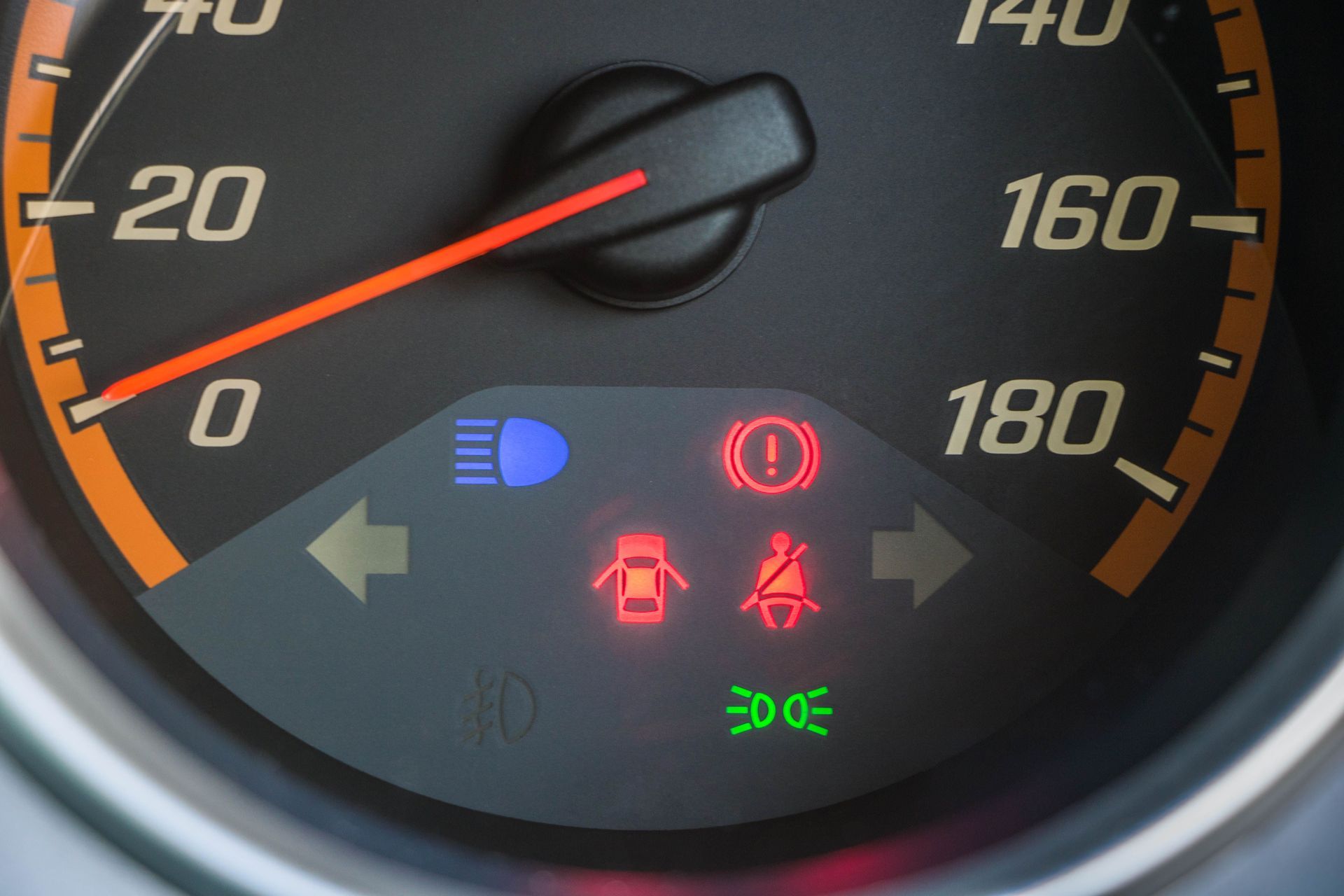
Your dashboard’s temperature gauge can provide an early warning of engine overheating. If you notice the needle creeping into the red zone, immediately pull over and allow the engine to cool down. 

  1. Plan for Long Journeys 

On long trips during summer, take breaks to allow the engine to cool. Carry extra coolant and a roadside safety kit as a precaution. 


What To Do if Your Engine Overheats 

If your vehicle begins to overheat:

  1. Pull Over Immediately – Driving with an overheated engine can cause permanent damage. 
  2. Turn Off the Engine – This stops the heat production and allows the system to cool down. 
  3. Wait Before Checking Coolant – Never open the radiator cap while the engine is hot; you risk severe burns from escaping steam or hot coolant. 
  4. Call for Assistance – If the issue persists, contact a trusted repair shop, like Cosimos Auto Repair, to diagnose and repair the problem. 


Trust the Experts at Cosimos Auto Repair 

Whether it’s a scorching summer day or the cooler months, your engine deserves expert care to avoid overheating headaches. At Cosimos Auto Repair (CAR), our team specializes in identifying and resolving overheating issues with precision and efficiency. We’ll ensure your cooling system is in top shape so that driving in any weather is worry-free. 

Don’t wait for an overheating incident to leave you stranded. Schedule a cooling system inspection today and enjoy peace of mind knowing your vehicle is in expert hands. 


Stay Cool on the Road 

By understanding what causes engine overheating and taking proactive steps to prevent it, you can keep your car running smoothly all year round. Remember, whether it’s identifying leaks, replacing faulty components, or conducting regular inspections, we at Cosimos Auto Repair are here to help. Give us a call or stop by for trusted car care!


December 22, 2025
Your car is more than just a way to get from one place to another; it's a complex machine that requires consistent care to run safely and efficiently. Many drivers wait until a problem arises—a strange noise, a warning light, or a breakdown—before heading to the shop. However, following a regular maintenance schedule is one of the smartest decisions you can make as a car owner. It not only keeps you safe but also saves you money and extends the life of your vehicle. This post will explore the critical benefits of sticking to a maintenance plan, offer practical tips you can do yourself, and explain why trusting a professional service like Cosimo's Garage is essential for your car's long-term health. The Top 3 Benefits of Regular Car Maintenance Sticking to a schedule might seem like a hassle, but the payoffs are significant. Preventive care helps you avoid costly repairs, improves performance, and ensures your vehicle remains dependable for years. 1. Enhance Your Safety on the Road Your vehicle's most important job is to transport you and your passengers safely. Worn-out brake pads, thinning tire treads, and old wiper blades can turn a routine drive into a dangerous situation. Regular inspections catch these issues before they become critical failures. A mechanic can spot a potential brake fluid leak, identify tires that are losing their grip, and ensure your steering and suspension systems are functioning correctly. By proactively addressing these components, you significantly reduce the risk of accidents caused by mechanical failure. At Cosimo's Garage, our technicians perform comprehensive checks to give you peace of mind every time you get behind the wheel. 2. Boost Fuel Efficiency and Save Money Did you know that a well-maintained car uses less fuel? Simple maintenance tasks have a direct impact on your gas mileage. For example, keeping your tires properly inflated can improve fuel efficiency by up to 3%. Replacing a clogged air filter can boost it by as much as 10%. Regular oil changes are also crucial. Clean oil lubricates engine parts, reducing friction and allowing the engine to run smoother and more efficiently. When your engine works less, it burns less fuel. Over time, these small savings add up, putting more money back in your pocket instead of into your gas tank. 3. Extend the Lifespan of Your Vehicle A car is a major investment, and you want it to last as long as possible. Neglecting routine maintenance accelerates wear and tear on vital components like the engine and transmission. A minor issue, such as a coolant leak, can quickly escalate into major engine damage if left unchecked. By following the manufacturer's recommended service schedule, you ensure that all parts are working in harmony. This prevents the chain reaction of failures that can lead an otherwise good car to an early retirement. The expert team at Cosimo's Garage is committed to helping you maximize your vehicle's lifespan through diligent, high-quality service. We treat your car with the care it needs to keep running strong for many years. Simple Maintenance Tips You Can Do at Home While professional servicing is non-negotiable, there are a few simple checks you can perform between visits to keep your car in good shape. Check Your Oil Level Regularly Engine oil is the lifeblood of your vehicle. Check the oil level using the dipstick at least once a month. Make sure the engine is cool and the car is on level ground. If the level is low, top it off with the manufacturer-recommended oil type. Also, note the color of the oil. If it's dark and gritty, it’s time for an oil change. Monitor Your Tire Pressure Your tires affect handling, safety, and fuel economy. Use a tire pressure gauge to check the pressure in all four tires (plus the spare) monthly. The correct pressure is listed on a sticker inside the driver's door jamb. Underinflated tires wear out faster and decrease fuel efficiency, while overinflated tires can reduce traction. Inspect Lights and Wiper Blades Walk around your car and ensure all exterior lights are working, including headlights, taillights, brake lights, and turn signals. This is a simple safety check that prevents accidents and tickets. Additionally, check your wiper blades for signs of cracking or stiffness. If they leave streaks on your windshield, it's time for a new pair. Why Trust Cosimo's Garage for Your Maintenance Needs? While DIY checks are helpful, they are no substitute for professional expertise. Modern vehicles are incredibly complex, and a trained technician has the tools and knowledge to spot issues you might miss. At Cosimo's Garage, we pride ourselves on our commitment to excellence. Our certified mechanics have the expertise to service all makes and models, using state-of-the-art diagnostic equipment to accurately assess your vehicle's health. We believe in transparency and outstanding customer service, taking the time to explain our findings and recommend only the services you truly need. We don't just fix cars; we build relationships with our customers. Our goal is to be your trusted partner in vehicle care, ensuring your car is reliable, safe, and efficient. From routine oil changes to major system diagnostics, we are dedicated to keeping your vehicle in peak condition. Take the First Step Toward Better Car Care A regular maintenance schedule is not an expense—it's an investment in your safety, your budget, and your vehicle's future. By taking proactive steps and partnering with a trusted professional, you can enjoy worry-free driving for years to come. Don't wait for a warning light to tell you something is wrong. Ready to give your car the expert care it deserves? Book your next maintenance appointment with Cosimo's Garage today and experience the difference that professional, customer-focused service makes.
November 30, 2025
As the seasons change and the air gets a crisp chill, drivers begin to think about preparing their vehicles for the months ahead. One of the most common questions we hear is about tires. You might wonder if your all-season tires are enough to handle what winter throws at you. Understanding when to switch to winter tires and why they are so crucial can make a significant difference in your safety and confidence on the road. This post will guide you through the essentials of winter tires. We'll explore why they are so effective in cold weather, the right time to make the switch, and how they protect you and your passengers. What Makes Winter Tires Different? It’s easy to think all tires are the same, but the technology that goes into a winter tire is highly specialized. Unlike all-season or summer tires, winter tires are engineered specifically to perform in cold, icy, and snowy conditions. The differences come down to three key areas: tread compound, tread design, and sipes. The Magic of a Softer Rubber Compound The rubber on your tires reacts to temperature. As it gets colder, the rubber compound on all-season and summer tires stiffens. This hardening reduces their ability to grip the road surface effectively. Winter tires, however, use a special rubber compound rich in silica and other natural materials that remains soft and flexible even when the temperature drops well below freezing. This flexibility allows the tire to conform to the road surface, providing much better traction and control in frigid weather. A Deeper, More Aggressive Tread Design Take a close look at a winter tire, and you'll notice its tread pattern is different. The grooves are deeper and wider than those on all-season tires. This design serves a vital purpose: it channels away slush, snow, and water more effectively. By efficiently clearing this mess from the contact patch—the part of the tire that touches the road—the tire maintains a solid grip. The aggressive tread blocks also dig into deep snow, providing the bite needed to move forward instead of just spinning your wheels. Biting Edges Known as Sipes Winter tires are covered in thousands of tiny, thin slits called "sipes." These are perhaps the most important feature for handling ice. When the tire rotates, these sipes open up and create thousands of little biting edges that grip onto slick surfaces like ice and packed snow. This action dramatically improves traction and gives you more control when braking and accelerating on treacherous winter roads. The Undeniable Safety Benefits Using winter tires isn't just about convenience; it's a fundamental safety measure. The enhanced performance they offer translates directly into a safer driving experience for you and everyone else on the road. Superior Traction in Snow and Ice The primary advantage of winter tires is their unmatched traction. Where all-season tires might slip and slide, winter tires dig in and hold their ground. This means you have a better chance of maintaining control when navigating a snowy street or an icy intersection. Whether you're starting from a stop sign or climbing a slippery hill, that extra grip is invaluable. Shorter Stopping Distances Your ability to stop quickly is critical to avoiding accidents. In cold weather, this becomes even more important. Studies have consistently shown that vehicles equipped with winter tires have significantly shorter stopping distances on snow and ice compared to those with all-season tires. On an icy road, a winter tire can reduce your stopping distance by several car lengths. This can be the difference between a close call and a serious collision. The combination of the soft compound and biting sipes allows the tire to grab the road surface, even when it’s covered in ice. The Right Time to Make the Switch Timing is everything when it comes to changing your tires. Switch too early, and you'll cause unnecessary wear on your soft winter treads. Switch too late, and you risk getting caught in the first surprise snowfall with the wrong tires. So, what's the magic number? The general rule of thumb is to switch to winter tires when the average daily temperature consistently drops below 45°F (or 7°C) . Why this temperature? At 45°F, the rubber compound on all-season tires begins to harden, losing its optimal grip and pliability. This is the point where winter tires start to outperform them, even on dry pavement. Don't wait for the first snowflake to fall. By monitoring the forecast and scheduling your tire change when the temperatures are consistently cool, you ensure your vehicle is prepared well before the first hazardous road conditions arrive. Your Winter Tire Experts at Cosimo's Garage Making the seasonal tire switch is an essential part of responsible vehicle ownership. It ensures your car, truck, or SUV is as safe as possible for the challenges of winter driving. Proper installation and balancing are just as important as the tires themselves. At Cosimo's Garage, our expert technicians are ready to help you prepare for the season. We offer convenient, professional tire changeovers to get you on the road safely and with peace of mind. We'll ensure your winter tires are mounted, balanced, and inflated to the correct pressure for optimal performance. Don't wait for the first storm to hit. Be proactive about your safety. Ready to schedule your winter tire change? Contact Cosimo's Garage today and drive confidently all winter long!
October 29, 2025
The moment your car's warranty expires can feel a little daunting. The safety net is gone, and the full responsibility for repairs and upkeep now rests on your shoulders. But this doesn't have to be a source of stress. With a proactive approach to maintenance, you can keep your vehicle running smoothly for years to come, long after the manufacturer's coverage has ended. This guide will walk you through practical steps to maintain your out-of-warranty car. We'll cover the importance of a consistent maintenance schedule, how to choose the right parts, the value of a trusted mechanic, and simple checks you can do yourself. The Golden Rule: Regular Maintenance is Key Once your warranty is up, preventative care becomes your best friend. Sticking to a regular maintenance schedule is the single most effective way to prevent major, expensive problems down the road. Think of it as a health check-up for your car. Your vehicle's owner's manual is your ultimate guide. It contains a detailed schedule recommended by the people who designed and built your car. This schedule outlines when to perform crucial services like: ● Oil and Filter Changes: Engine oil is the lifeblood of your vehicle. It lubricates moving parts, reduces friction, and helps keep the engine clean. Over time, it breaks down and collects contaminants. Regular changes are essential for engine health and longevity. ● Fluid Checks: Your car relies on various fluids, including coolant, brake fluid, transmission fluid, and power steering fluid. Keeping these at the correct levels and changing them at recommended intervals prevents overheating, brake failure, and transmission damage. ● Tire Rotations: Rotating your tires ensures they wear evenly, extending their life and improving your car's handling and safety. Following this schedule helps identify potential issues before they escalate into costly failures, saving you money and giving you peace of mind. Finding a Mechanic You Can Trust Without a warranty, you are no longer tied to the dealership for service. This gives you the freedom to find a local, independent mechanic who offers quality work at a fair price. But how do you find a workshop you can rely on? A trustworthy mechanic is transparent, knowledgeable, and communicates clearly. They should be willing to explain the necessary repairs, provide detailed estimates, and answer your questions without pressure. Look for shops with good reviews, certified technicians (such as ASE certification), and a clean, professional environment. For those seeking exceptional service, Cosimo's Garage has built a reputation for being a reliable partner in vehicle care. Their team prioritizes customer service, taking the time to explain every aspect of the repair process. They understand the concerns of owners with out-of-warranty vehicles and are committed to providing honest advice and professional workmanship. The Importance of Quality Parts When it's time for a repair, you might be tempted to opt for the cheapest parts available. However, this can be a costly mistake. Inferior parts can fail prematurely, cause damage to other components, and may even void any guarantees on the repair work. Always insist on high-quality Original Equipment Manufacturer (OEM) or equivalent parts. These components are designed to meet the exact specifications of your vehicle, ensuring proper fit, function, and durability. While the upfront cost may be slightly higher, they provide better performance and longevity, saving you from repeated repairs. This is another area where a reputable shop like Cosimo's Garage stands out. They use only high- quality, reliable parts to ensure every repair is done right the first time. Their commitment to quality components means you can trust that your vehicle will perform safely and reliably after leaving their shop. Simple DIY Checks to Keep You on the Road You don't need to be a master mechanic to play an active role in your car's health. Performing a few simple checks at home can help you catch small issues before they become big problems. Check Your Tire Pressure Properly inflated tires are crucial for safety, fuel efficiency, and tire longevity. Check your tire pressure at least once a month using a simple pressure gauge. The recommended PSI (pounds per square inch) is usually listed on a sticker inside the driver's side door jamb. Monitor Your Oil Level Between oil changes, it's a good idea to check your engine oil level. Park your car on a level surface, wait for the engine to cool, and use the dipstick to check the level. If it's low, top it off with the correct type of oil specified in your owner's manual. A sudden drop in oil level could indicate a leak, which should be inspected by a professional immediately. Inspect Lights and Wipers Walk around your car and check that all your lights are working, including headlights, brake lights, and turn signals. Test your windshield wipers and check the blades for cracks or wear. These simple components are vital for your visibility and safety. Don't Ignore the Warning Signs Your car often gives you clues when something is wrong. Ignoring these signals can lead to a domino effect of damage, turning a minor fix into a major overhaul. Pay attention to: ● Warning Lights: A check engine light or any other dashboard warning should be addressed promptly. ● Strange Noises: Squealing brakes, clunking sounds from the suspension, or a whining engine are all signs that require professional diagnosis. ● Changes in Performance: If you notice your car is driving differently—hesitating, pulling to one side, or vibrating—it's time to get it checked. Addressing issues as soon as they appear is the most cost-effective strategy. A quick trip to a trusted mechanic like Cosimo's Garage can diagnose the problem accurately and prevent further damage. Take Control of Your Car's Future An out-of-warranty car doesn't have to mean unpredictable expenses. By embracing a proactive maintenance routine, choosing a skilled and honest mechanic, insisting on quality parts, and paying attention to your vehicle's health, you can drive with confidence for many more miles. Take control of your car's longevity. Stay on top of maintenance, and when you need professional help, turn to a trusted expert like Cosimo's Garage to keep your vehicle in tip-top condition.
September 23, 2025
Your Guide to an Auto Safety Inspection
Man and woman looking under the hood of a black car outdoors, appearing concerned; sunny day.
By Robbie Balla August 5, 2025
Make Sure Your Vehicle is Ready for Your Last Summer Road Trip
By rob March 12, 2019
These cars are not to be beleived!
By rob March 12, 2019
These cars sold for more than $10 million!
By rob March 12, 2019
Check out Mercedes Latest Gem!
By rob March 12, 2019
Just when you though things couldn't get any faster...