Your Check Engine Light Just Came On— Is It a $20 Fix or a $2,000 Repair?
Few things make drivers nervous faster than seeing the check engine light suddenly illuminate on the dashboard. It might happen during your morning commute, while you're heading out on a weekend trip, or seemingly out of nowhere. The big question is always the same: "Why is my engine light on?"
The truth is, the check engine light doesn't always mean catastrophic engine failure—but it does mean your vehicle has detected something that needs attention. Ignoring it can turn a small repair into a much more expensive one over time.
If you're looking for trusted Auto repair Hamilton services, understanding what this warning light means is the first step toward protecting your vehicle and your wallet.
What Does the Check Engine Light Actually Mean?
Modern vehicles are equipped with sophisticated onboard diagnostic systems (OBD-II) that constantly monitor your engine, emissions system, fuel system, ignition components, and dozens of sensors.
When something falls outside the manufacturer's normal operating range, the system stores a diagnostic trouble code and turns on the check engine light. The light itself doesn't identify the exact problem—it simply tells you your vehicle has detected an issue that should be professionally diagnosed.
Think of it as your vehicle asking for help before a minor issue becomes a major repair.
Common Reasons Your Engine Light Is On
Loose or Damaged Gas Cap
Believe it or not, something as simple as a loose fuel cap can trigger the check engine light. Since the fuel system is sealed, even a small leak in fuel vapours can cause the onboard computer to detect a fault.
Fortunately, this is often one of the easiest fixes.
Faulty Oxygen Sensor
Oxygen sensors monitor the amount of oxygen in your exhaust gases and help your engine maintain the proper air-to-fuel mixture.
When one fails, your vehicle may experience:
- Poor fuel economy
- Rough engine performance
- Increased emissions
- Reduced engine efficiency
Replacing a faulty sensor early can prevent additional damage to other components.
Spark Plug or Ignition Coil Problems
Misfiring spark plugs or worn ignition coils are another common cause.
Symptoms may include:
- Rough idling
- Loss of power
- Engine hesitation
- Reduced fuel economy
Ignoring a misfire can eventually damage your catalytic converter—one of the most expensive emissions components on your vehicle.
Mass Air Flow (MAF) Sensor Issues
The MAF sensor measures the amount of air entering your engine so the computer can deliver the proper amount of fuel.
When it fails, your engine may run too rich or too lean, causing poor performance and illuminating the warning light.
Catalytic Converter Problems
If other engine problems have been ignored for too long, the catalytic converter can become damaged.
Warning signs often include:
- Reduced acceleration
- Poor fuel efficiency
- Sulfur or rotten egg smell
- Failed emissions testing
This is one repair that's far more affordable to prevent than replace.
Should You Keep Driving?
Not all check engine lights are created equal.
Solid Check Engine Light
If the light is solid and your vehicle appears to be driving normally, you should schedule service as soon as possible. While the issue may not be immediately dangerous, delaying diagnosis could allow the problem to worsen.
Flashing Check Engine Light
A flashing check engine light is much more serious.
It often indicates an active engine misfire that could quickly damage your catalytic converter or other engine components.
If the light is flashing:
- Reduce speed immediately.
- Avoid hard acceleration.
- If the vehicle is running poorly, safely pull over.
- Arrange professional service as soon as possible.
Why Professional Diagnostics Matter
Many drivers assume that reading an error code tells you exactly what's wrong.
In reality, diagnostic codes only point technicians toward the affected system—they don't always identify the failed part.
For example, a code related to an oxygen sensor doesn't necessarily mean the sensor itself has failed. It could be caused by wiring, vacuum leaks, ignition problems, fuel delivery issues, or several other factors.
That's why experienced technicians perform complete diagnostics before recommending repairs. Proper testing helps avoid replacing perfectly good parts while ensuring the real problem is fixed correctly.
Preventing Future Engine Light Problems
Routine maintenance remains the best way to reduce unexpected warning lights.
Regular maintenance includes:
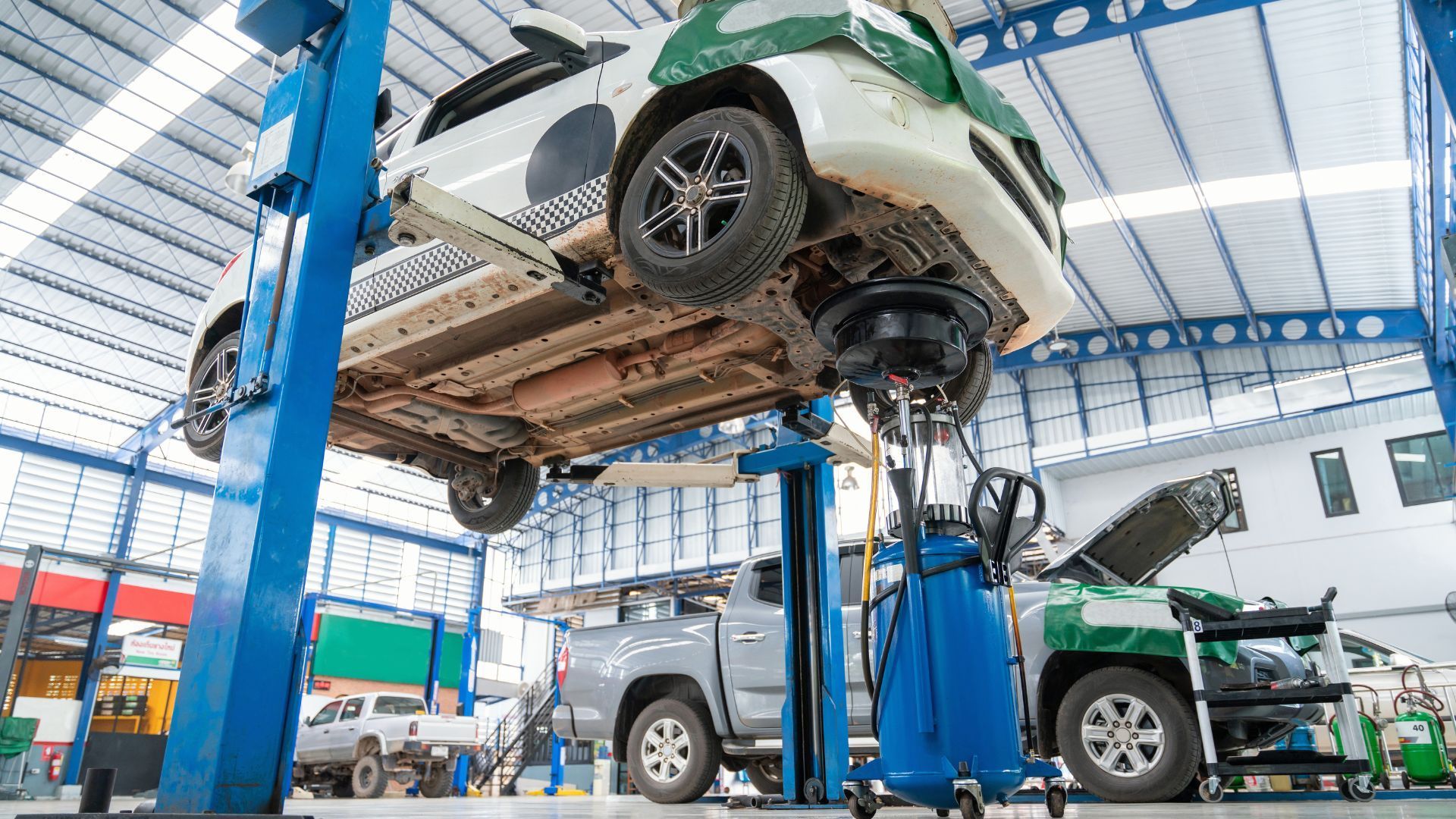
- Scheduled oil changes
- Fluid inspections
- Battery testing
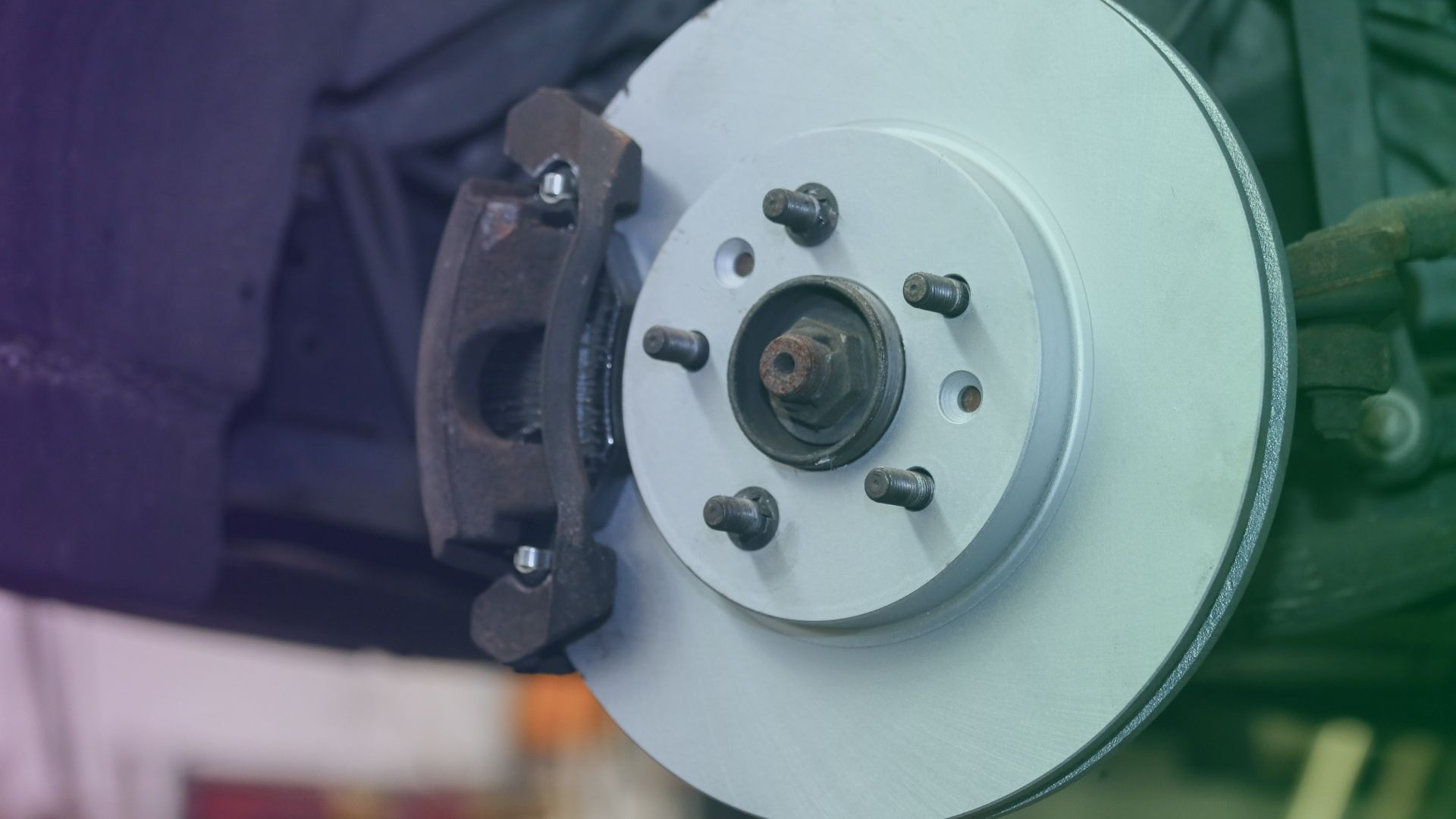
- Brake inspections
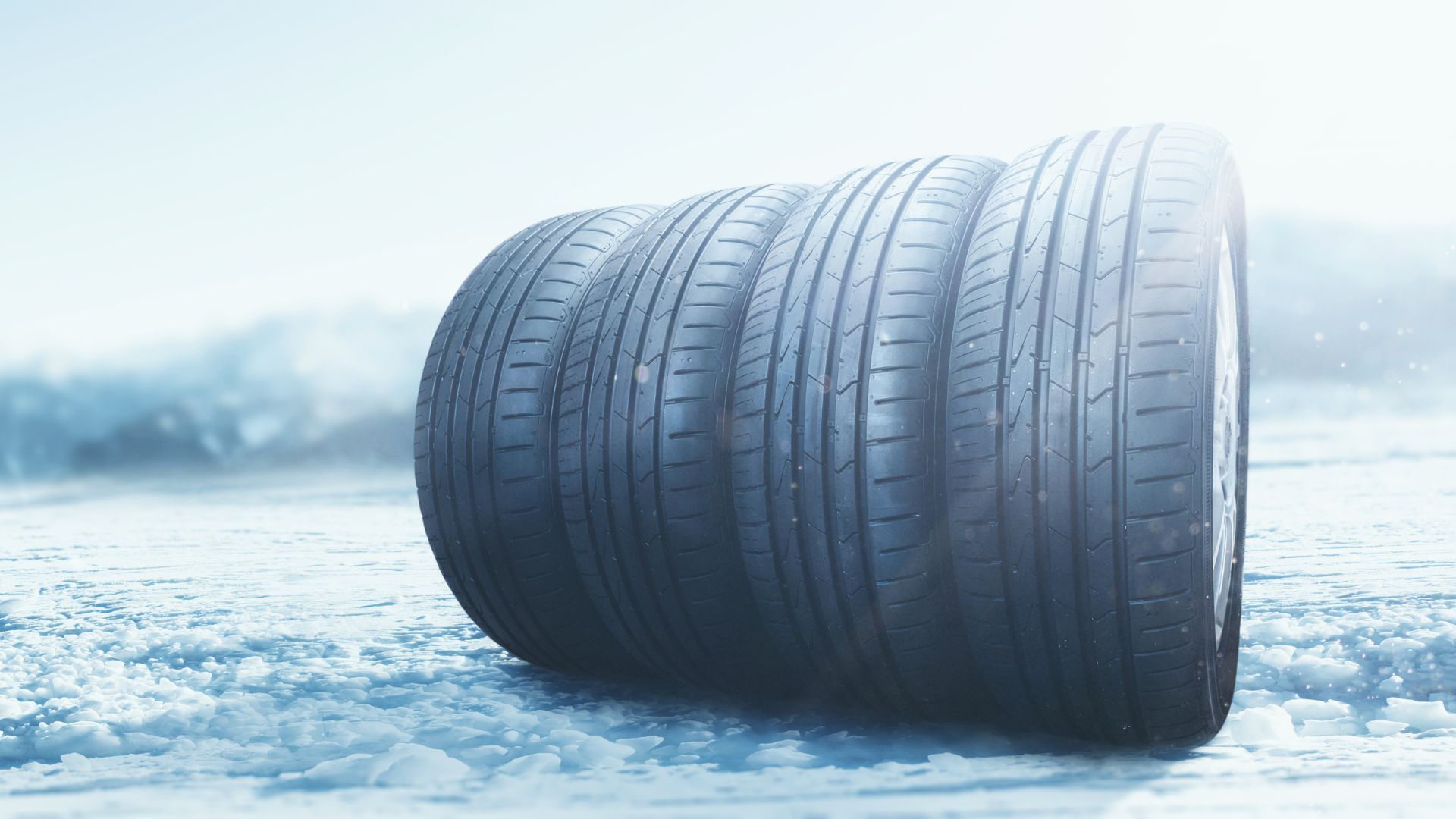
- Tire maintenance
- Air filter replacement
- Engine diagnostics during routine service
At Cosimo's Garage, every oil change includes a comprehensive 30-point inspection, allowing technicians to identify small issues before they become major repairs. Their certified technicians service all makes and models and provide everything from engine diagnostics and repairs to brakes, tires, alignments, batteries, safety inspections, and fleet maintenance.
Trust Your Local Hamilton Automotive Experts
When your dashboard warning light comes on, don't ignore it—and don't panic.
Many check engine light issues are relatively minor when caught early. The key is having your vehicle inspected before the problem spreads to other systems.
If you've been searching for reliable Vehicle service centers near me, Cosimo's Garage offers honest diagnostics, experienced technicians, and dependable repairs you can trust. Whether you need routine maintenance or advanced engine diagnostics, their team is committed to providing professional Hamilton Automotive Repair services that keep you safely on the road.
Book Your Vehicle Inspection Today
A check engine light is your vehicle's way of asking for attention—not permission to keep driving indefinitely. The sooner it's diagnosed, the better your chances of avoiding costly repairs later.
If your engine light has come on, schedule an appointment with Cosimo's Garage today. Their experienced team will identify the cause, explain your repair options clearly, and get your vehicle back to running safely and reliably.